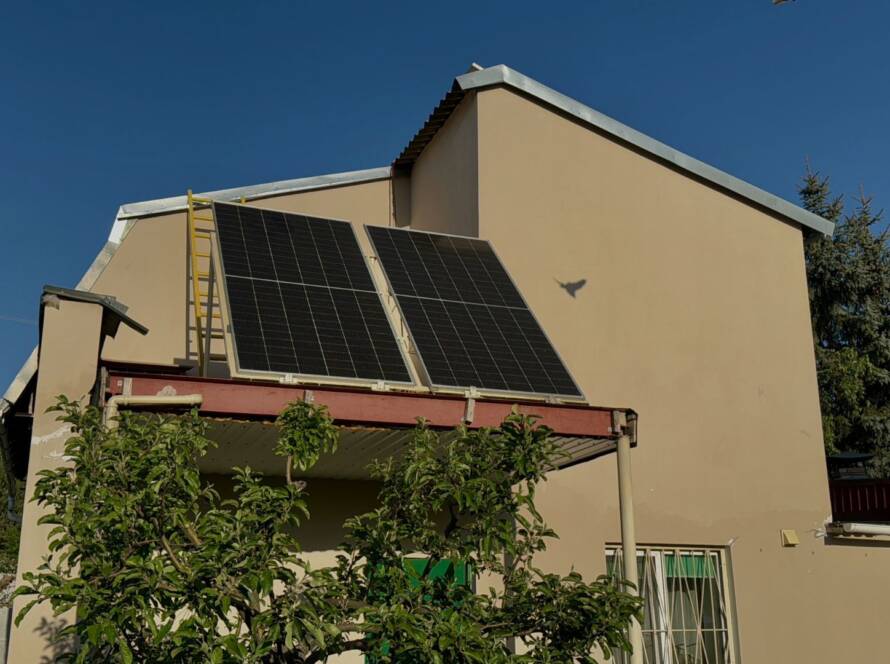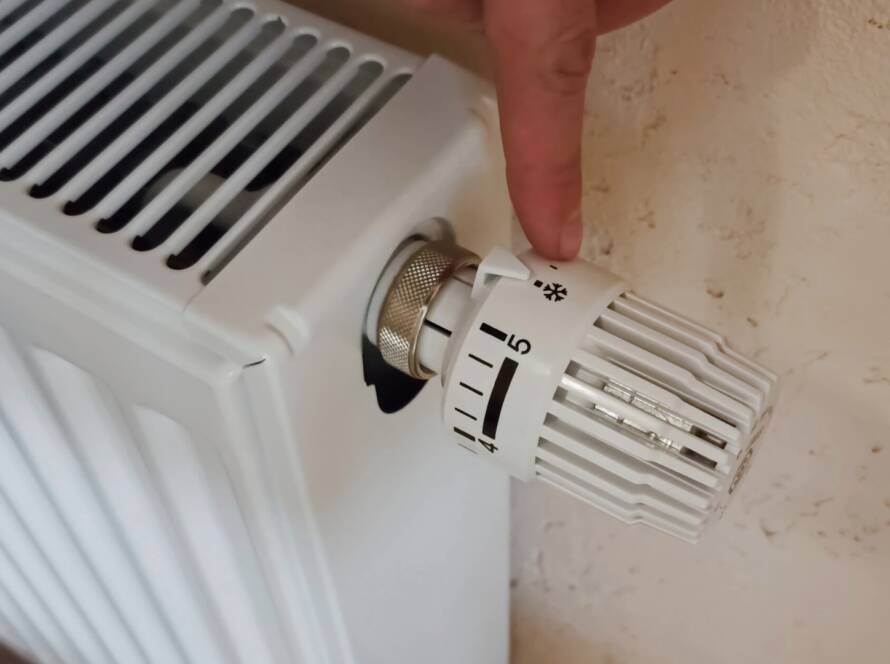

- Why Are Solar Power Plants the #1 Trend in Ukraine in 2025?
- What Is a Solar Power Plant in Simple Terms?
- Types of Solar Systems: How to Choose Yours
- How Much Does a Solar Power Plant Cost in 2025?
- How to Calculate Payback
- Energy Independence: When Do You Need Batteries?
- Step-by-Step Guide: How to Install a Solar System in 2025
- Common Mistakes When Buying Solar Panels
Why Are Solar Power Plants Trending in the EU?
In the first half of 2025, a historic record of 380 GW of new solar capacity was installed globally – more than any other renewable technology has achieved. In the European Union, solar energy has officially become the largest source of electricity generation, surpassing nuclear power for the first time.
Clean energy investments exceeded $670 billion, with solar infrastructure accounting for more than half of the total capital inflows. This trend reflects not only climate ambitions but also a clear economic shift toward decentralized, predictable, and scalable energy systems.
Across Europe, businesses and households are accelerating the adoption of solar energy due to three key factors:
- Rising and volatile electricity prices
- Grid congestion and peak-load pressures
- Energy security and independence strategies
Solar power plants are no longer seen as merely an “eco-friendly alternative.” They are now essential financial and operational tools. Hybrid systems (solar plus battery storage) are increasingly becoming the standard solution across the EU, helping to stabilize energy costs, optimize self-consumption, reduce peak demand charges, and provide backup during grid disturbances.
Investing in a solar power plant in Europe today means:
- Lower long-term operating costs
- Greater resilience
- Protection against tariff volatility
- Alignment with ESG (Environmental, Social, and Governance) and sustainability goals
Solar energy is no longer just a trend; it is about strategic energy management and competitiveness in an ever-evolving European market.
What Is a Solar Power Plant in Simple Terms?
A solar power plant is a system that converts sunlight into usable electricity for your home or business. Solar panels capture sunlight → the inverter manages energy → batteries (BESS) provide backup power during outages.
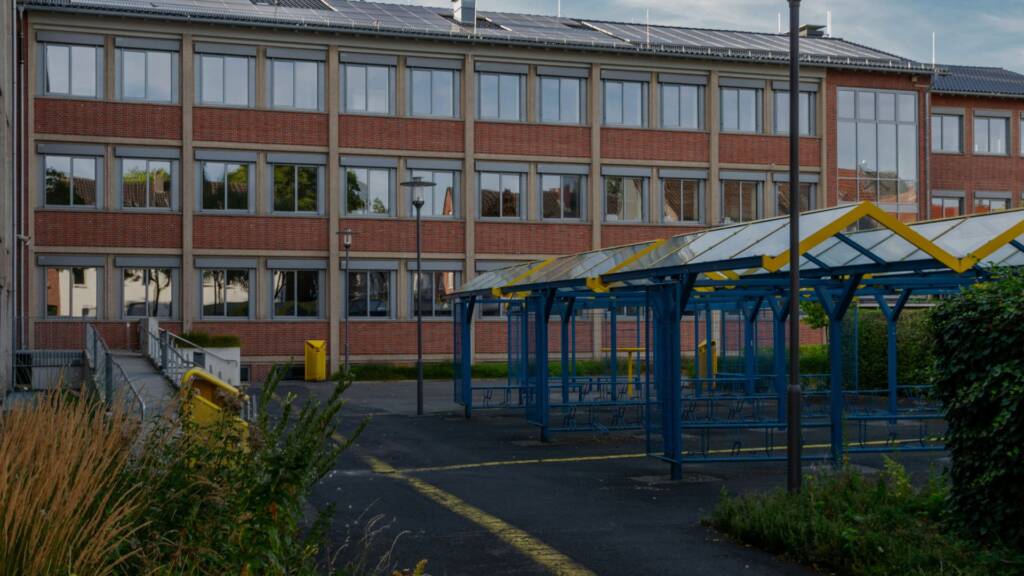
How a Modern Solar System Works
- Panels generate DC electricity.
- The inverter distributes energy between the building, the grid, and batteries.
- BESS provides backup for hours.
Even a basic 5-10 kW solar system can cover a large portion of residential or office needs. A hybrid solar power plant ensures uninterrupted operation regardless of grid status.
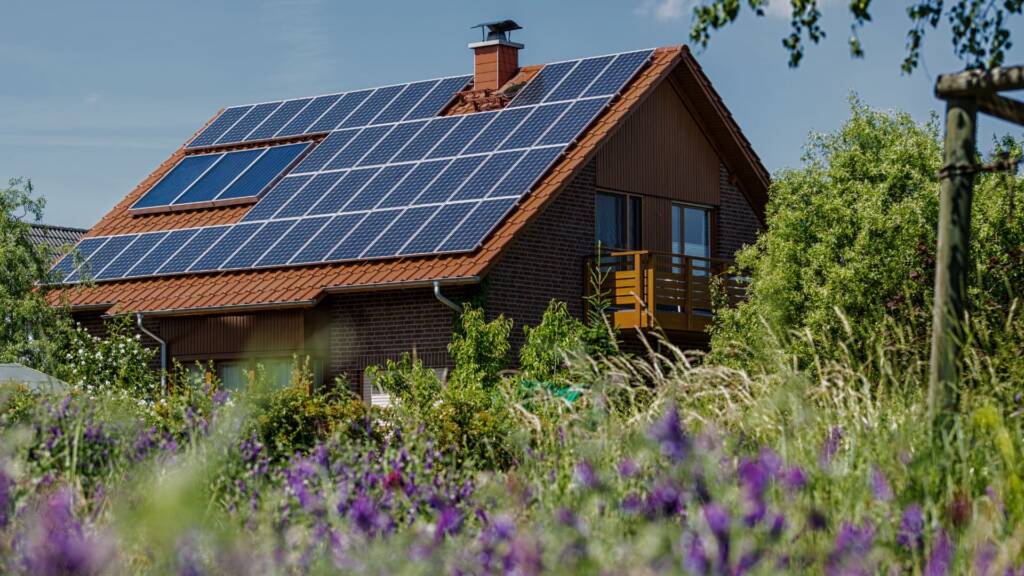
Types of Solar Systems
Hybrid Solar System (Trend #1)
- Works with or without the grid
- Saves money
- Provides backup
- Ideal for private homes and businesses
Off-Grid Solar System
- Complete independence
- Suitable for remote locations
Grid-Tied Solar System
- Best for regions with stable electricity supply
- Suitable for large rooftop installations
Types of Solar Power Plants: How to Choose Yours?
Correct system sizing determines 80% of the result – savings, autonomy, and payback speed.
5 kW – Basic Home Autonomy
Ideal if:
- You have gas or solid-fuel heating
- You need Wi-Fi, fridge, lighting
- You want up to 8 hours of backup (with BESS)
10 kW – The Most Popular Option in 2025
Perfect if:
- You use electric heating or heat pump
- Multiple appliances run simultaneously
- You need night-time autonomy
Payback: 5-6 years.15-20 kW – Large Homes or Small Businesses
Suitable if:
- Electric heating and AC
- Workshop, bakery, café, home business
- Backup for POS systems and refrigeration
30+ kW – Businesses & Warehouses
Provides:
- 40-60% electricity savings
- Stable production processes
- Night operation on batteries
- Zero-export options
50-100 kW – Production & Logistics
Ideal for:
- Manufacturing
- Logistics centers
- Agricultural facilities
- Two- or three-shift operations
100+ kW – Industrial & Critical Infrastructure
Used by:
- Large warehouses
- Food industry
- Defense enterprises
- Hospitals
- Sports complexes
Often integrated into ESG strategies.
How Much Does a Solar Power Plant Cost in 2025?
The price depends on:
Autonomy requirements
Electricity consumption
Inverter type (grid or hybrid)
Battery storage (BESS)
Roof complexity

Energy Independence: When Do You Need Batteries?
BESS is essential if:
- You experience frequent outages
- You need Wi-Fi, refrigeration, heating, security
- You use electric heating
- You want to avoid peak tariffs
Without batteries, a grid-tied system shuts down during outages.
If autonomy matters — batteries are mandatory.
If you mainly aim for savings in a stable region — you can install BESS later.
Step-by-Step Guide: Installing a Solar System in 2025
- Consumption analysis
- System sizing and equipment selection
- Roof/site audit
- Commercial proposal & ROI calculation
- Installation & inverter configuration
- Monitoring & 24/7 service support
Common Mistakes When Buying Solar Panels
- Focusing only on panel price
- Choosing grid-tied when backup is needed
- Selecting wrong system capacity
- Ignoring roof shading
- Assuming panels always produce full power
- Saving on the inverter (the heart of the system)
Ready for Energy Independence?
Rubicon selects the optimal solar configuration from 5 to 300+ kW, with payback starting from 3.5 years and up to 70% cost reduction.