
How Does Solar Heating Work?
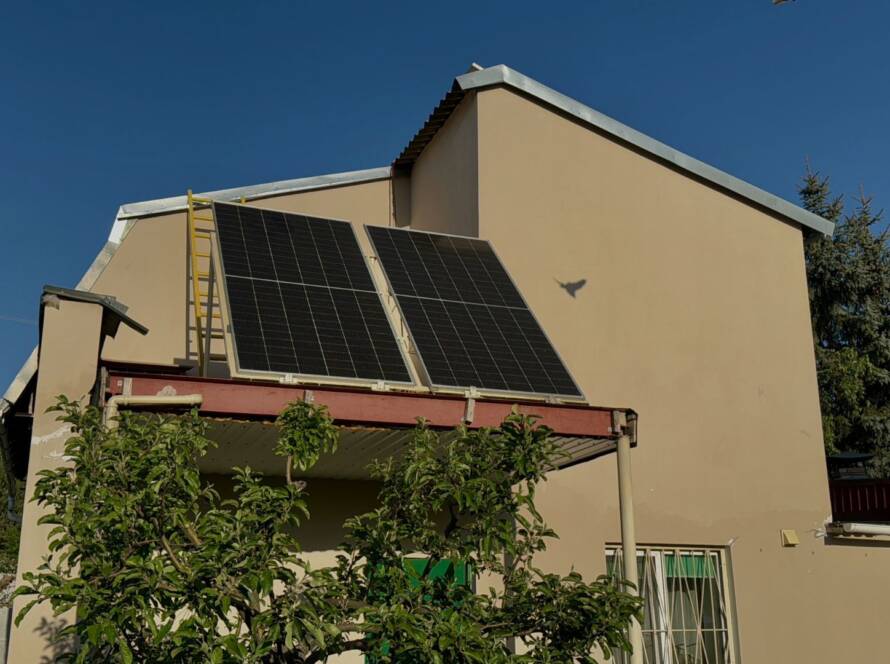
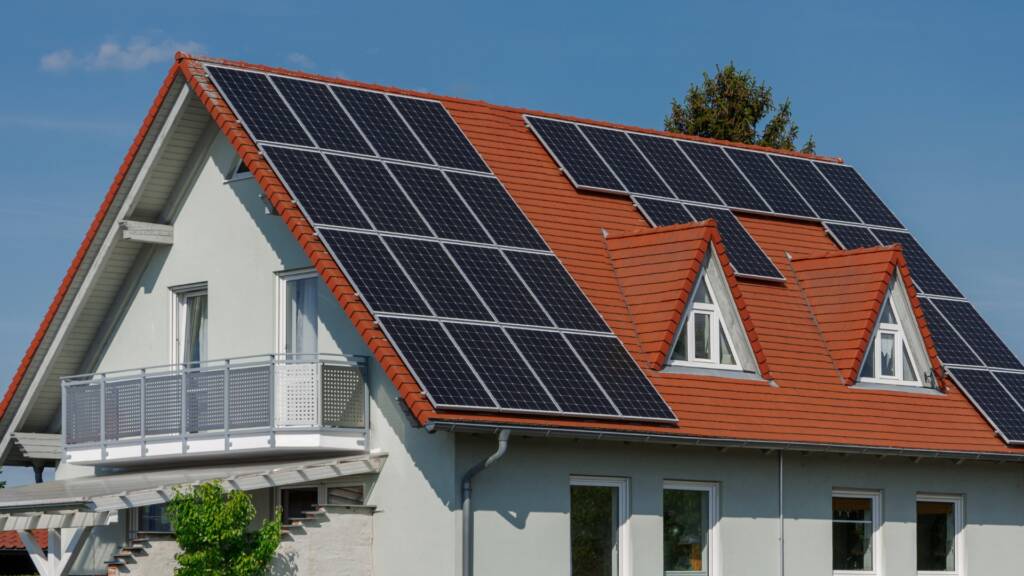
Heating a house with solar panels is based on a simple principle: solar panels generate electricity, and that electricity powers your heating system.
This may include:
- Electric boiler
- Heat pump
- Infrared (IR) heating panels
- Underfloor heating
- Combined heating + domestic hot water (DHW) systems
Solar panels convert sunlight into electricity. If system capacity is sufficient, it can cover a significant portion and in some cases up to 70% of annual heating needs.
In summer, excess electricity can charge batteries or offset household consumption. In winter, systems typically operate in hybrid mode (solar + grid + optional battery storage).ють світло у електрику. Якщо потужності достатньо, вона покриває частину або навіть 100% потреби в теплі. Влітку надлишки можуть йти в акумулятори, а взимку система працює в змішаному режимі (сонячні батареї + мережа або генератор).

Who Is Solar Heating Suitable For?
Private Homes (Most Common Case)
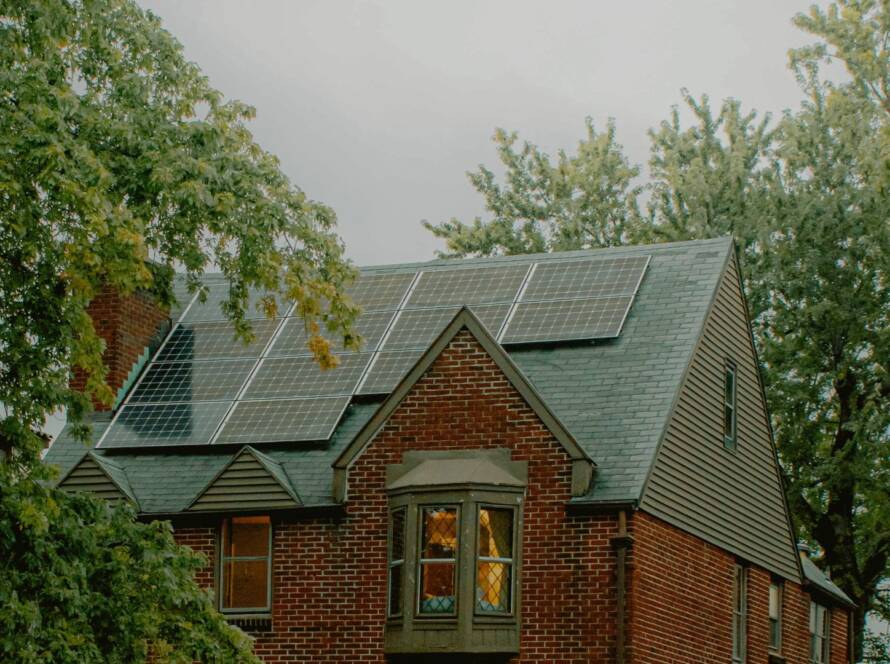
If you own a detached house with a well-oriented roof and electric-based heating, solar panels can significantly reduce energy bills and increase independence.
Especially relevant in Europe where:
- Electricity prices remain volatile
- Gas prices fluctuate
- Energy efficiency standards are tightening
Apartments
Solar heating is possible in apartment buildings if there is access to:
- Shared roof space (with HOA approval)
- Private terrace
- Technical floors
Solar can partially cover electric underfloor heating or seasonal heating demand, especially during spring and autumn.
New Builds & Renovations
The ideal time to integrate solar heating is during construction or major renovation.
A properly designed system may combine:
- Solar PV system
- Heat pump
- Hybrid heating + DHW
This approach creates a highly efficient, low-operating-cost home aligned with EU energy transition goals.

Key Benefits of Solar-Powered Heating
- Covers up to 70% of heating needs (depending on insulation and system type)
- Reduces dependence on electricity and gas price volatility
- Optional backup with battery storage
- Zero direct emissions
- Panels last 25-30 years
- Increases property value
- Flexible: works for partial or full heating cover
Limitations to Consider
Winter solar production is lower in Northern Europe
Proper system sizing is essential
Good insulation significantly improves performance
Hybrid setup (solar + grid + optional BESS) is recommended
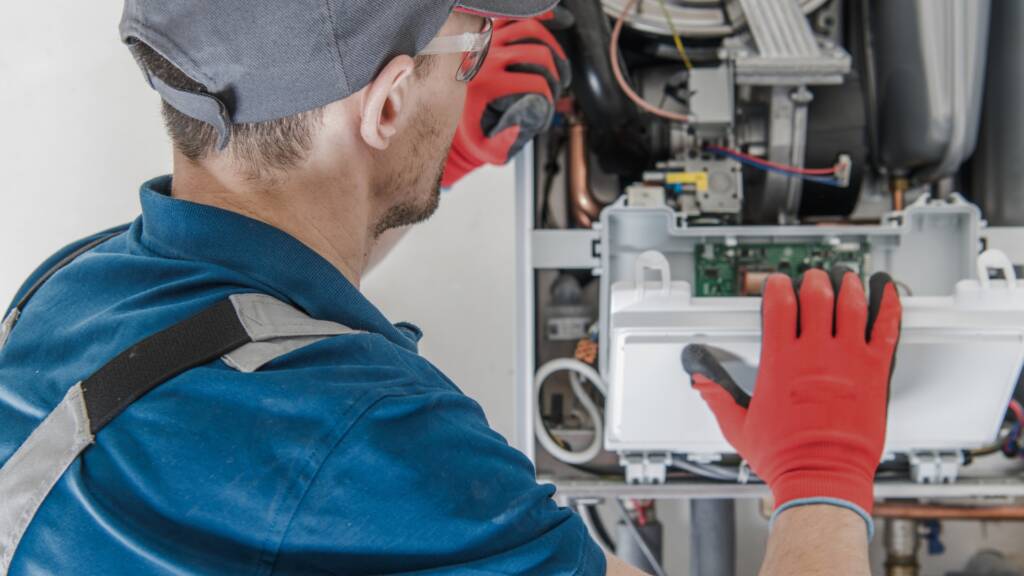
These factors are addressed during professional design and energy audit.
How to Choose the Right Solar Heating System
What Heating System Do You Use?
- Electric Boiler – High electricity consumption → requires a larger PV system (10-15 kW+ depending on house size).
- Heat Pump (Most Efficient Option) – Produces 3-5 kW of heat from 1 kW of electricity.
- Best combination: Solar PV + Heat Pump. Infrared Panels
Moderate electricity use → medium-sized solar system sufficient.
What Is the Size of the Property?
Larger area → higher kW requirement.
Do You Want Backup During Outages?
If yes → integrate battery storage (BESS) and prioritise heating circuits.
Roof Orientation
South and southeast-facing roofs deliver maximum efficiency.
Budget
Systems can be scaled from partial heating support to full solar-powered heating coverage.
Rubikon specialists conduct full energy audits, calculate required capacity, and design systems tailored to your climate, property, and budget.
Cost & Economic Effect in Europe (2025)
Final cost depends on:
- Solar system capacity
- Equipment type (inverter, panels, battery)
- Heating system type
- Desired autonomy level
- Installation complexity
Economic Benefits
- 30–70% reduction in annual heating costs
- Protection against tariff increases
- Optional outage protection
- Higher property value
- Predictable energy expenses
Step-by-Step Implementation Plan
- Energy audit & heat demand analysis
- Solar capacity calculation
- Heating system integration design
- Technical project planning
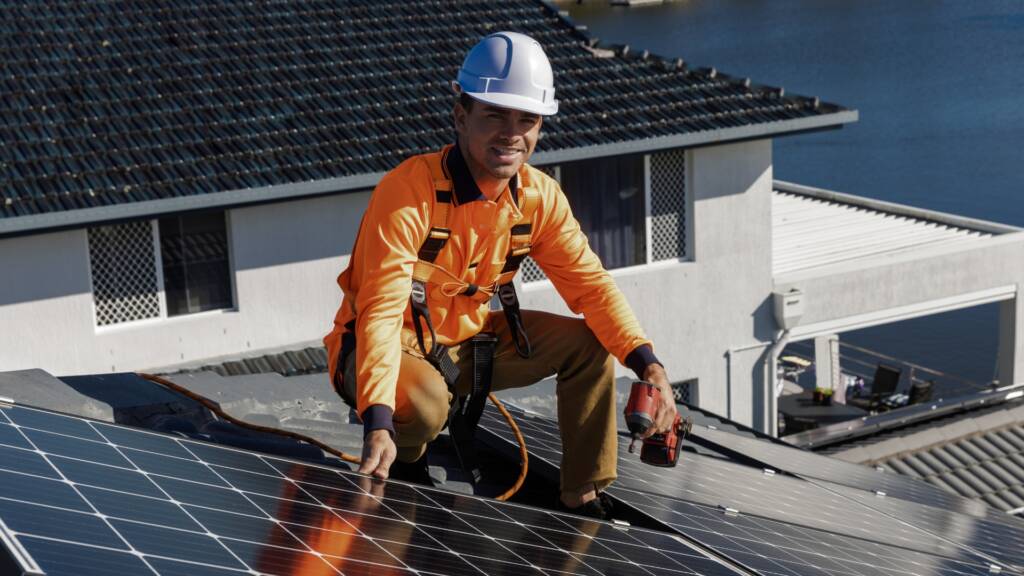
- Installation
- Battery integration (optional)
- Testing & user training
Conclusion
Solar-powered home heating in Europe is no longer a niche concept – it is a strategic solution for energy cost control, sustainability, and independence. When properly designed, a solar heating system operates for decades, reduces operating expenses, and provides stable comfort year-round. Heating should not be a luxury – it should be predictable and efficient. Solar makes that possible. Need a calculation for your property? Contact us, we’ll design the most efficient system without unnecessary overspending.