AgriSolar, also known as agrivoltaics, represents the future of modern farming. This innovative approach integrates crop cultivation with solar power generation on the same land. Farmers can grow vegetables, greens, and berries beneath photovoltaic panels while utilizing the solar energy produced to power automated irrigation systems, pumps, ventilation, and greenhouse lighting. Rubiсon engineers specialize in designing efficient AgriSolar systems, guiding you from the feasibility study stage to the complete installation.
Page content
What is AgriSolar (Agrivoltaics)?
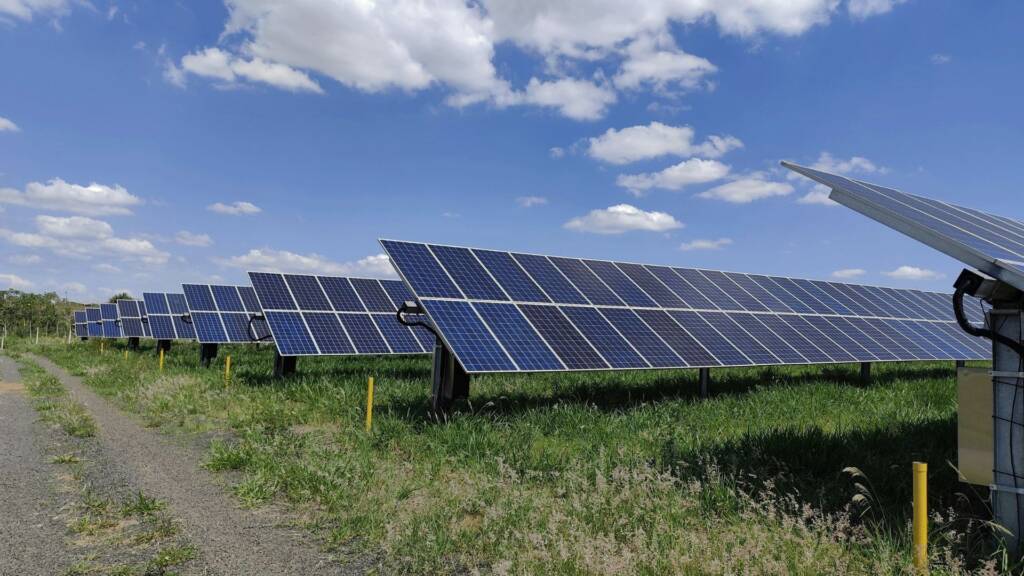
AgriSolar, also known as agrivoltaics, combines solar energy production with agriculture. Solar panels do more than just generate electricity; they provide partial shade that helps protect crops from overheating and reduces water evaporation.
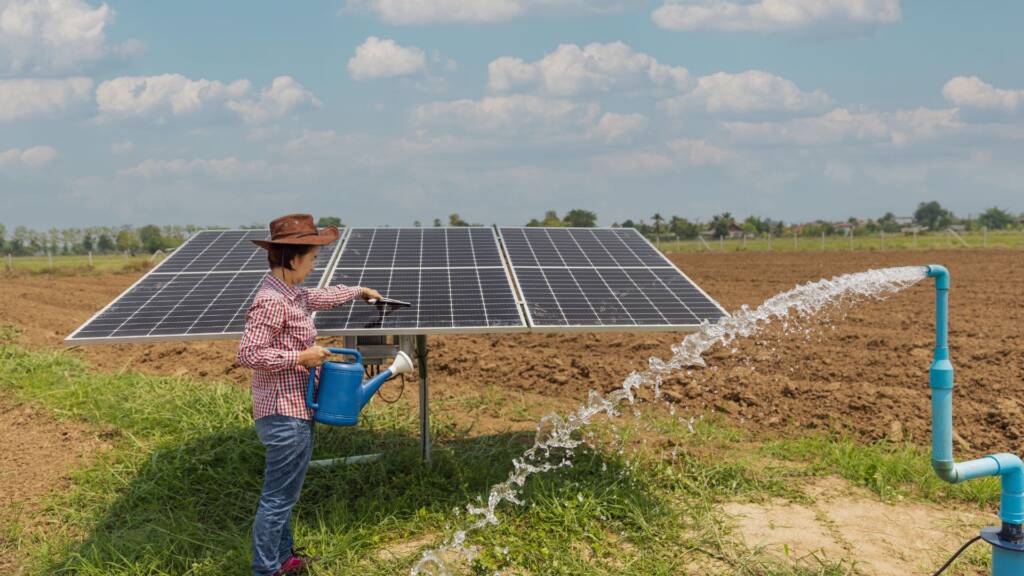
Underneath the solar panels, vegetables, greens, and berries can thrive, while the energy produced is used to power irrigation systems, pumps, ventilation, and greenhouse lighting — all without the need for generators or the high costs associated with grid electricity.
Where It Is Used
Greenhouses
Solar panels provide power for lighting, heating support systems, and ventilation.
Gardens and Small Farms
Systems up to 10 kW can power pumps, drip irrigation, field lighting, and storage areas.
Farms and Agricultural Enterprises
For larger areas, systems ranging from 30 to 100 kW can power irrigation pumps, sorting lines, refrigeration, and watering systems, even during peak loads.
Solar-Powered Irrigation, Lighting & Pumps
A solar power plant provides the following components:
- Electric pumps
- Pressure controllers
- Drip irrigation systems
- Soil moisture sensors
- Greenhouse ventilation systems
Energy is generated during the day and stored in batteries. At night, the stored energy automatically powers the greenhouse and seedling lighting. The entire system operates on a schedule, ensuring stable, silent, and autonomous functionality.
Benefits For Farmers
- Up to 30% reduction in water evaporation
- Protection of crops from overheating due to partial shading
- Reduced dependence on the grid and electricity tariffs
- Energy cost savings of up to 70%
- Automated irrigation and lighting systems that function even during outages
- Enhanced microclimate within greenhouses
- Lower greenhouse gas emissions
- Promotion of a sustainable and eco-friendly farm image
How We Work
- Initial consultation and energy usage review
- On-site inspection and system assessment
- Technical design and cost modelling
- Installation scheduled around academic calendars
- Monitoring, maintenance, and support
Why Choose Rubiсon
- 50+ energy projects delivered
- Proven experience with 10-500 kW+ systems
- Engineering-first approach (load profile + electrical reality, not “generic kits”)
- Financing strategy support
- Technical audit and tailored system architecture
- Quote in 24 hours, quick installation
- Turnkey EPC: design → installation → support
- Transparent pricing: fixed budget, no hidden costs
FAQ
AgriSolar is the integration of farming and solar energy. Solar panels generate electricity and provide beneficial shade for crops. This creates a stable microclimate, promoting better growth, while farmers gain energy independence.
Yes, it does. Solar panels can generate energy even on cloudy days. In winter, we use low-start inverters and heated batteries as needed to ensure efficient operation.
Yes, we can integrate solar systems with your existing pumps, drip irrigation, and sensors. We configure them to work with your schedules and priorities.
Yes, it does. During the day, the solar panels charge batteries (Battery Energy Storage Systems – BESS), which then automatically power the greenhouse and seedling lighting at night.
Yes. Partial shading helps reduce overheating and moisture loss in crops.
AgriSolar is ideal for vegetables, greens, berries, and certain orchard crops. The layout of the solar panels and the shading percentage are optimized for each type of crop.
Yes, our panels are designed with reinforced glass, the correct tilt angles for effective snow shedding, and reliable winter-ready components.
On-grid systems offer the maximum savings when the power grid is stable. However, hybrid or off-grid systems with Battery Energy Storage Systems (BESS) provide autonomy for irrigation and lighting during power outages.